Health and Safety Policy for Carpetcleaning W14
 This health and safety policy sets out the standards followed during carpet cleaning services in domestic and commercial settings. It is designed to protect clients, staff, visitors, and any other persons who may be affected by the work. The policy applies to all activities connected with carpet cleaning, including inspection, preparation, equipment handling, cleaning operations, drying, waste management, and post-service checks.
Our approach is based on identifying risks early, reducing hazards where possible, and maintaining a safe working environment at all times. We recognise that carpet cleaning can involve water, electrical equipment, cleaning products, manual handling, and movement through occupied premises. For this reason, all tasks are carried out with care, using appropriate controls and responsible working practices.
The company expects every operative to act in a professional and safe manner, follow instructions, and stop work if conditions become unsafe. Health and safety responsibilities are shared by management, employees, and subcontractors. Everyone involved must help ensure that carpet cleaning activities are performed without unnecessary risk.
Responsibilities and Safe Working Standards
Management is responsible for providing suitable equipment, relevant training, and clear procedures that support safe carpet cleaning. Staff must use equipment only for its intended purpose, inspect it before use, and report defects immediately. Any item that appears damaged, unstable, or unsuitable for the task must be removed from service until it has been checked.
Operatives are required to follow basic safety rules, including maintaining good housekeeping, keeping work areas free from trip hazards, and ensuring that cables, hoses, and tools are positioned carefully. When working in homes, offices, or other premises, cleaners must remain aware of occupants, pets, furniture, and fragile items. Special attention must be given to access routes, doorways, and areas where surfaces may become slippery.
 All carpet cleaning work is planned to minimise disruption and reduce risk. This includes assessing the condition of the carpet, the type of fibres involved, the presence of stains or contamination, and any factors that could affect safe operation. Where a task requires additional caution, extra control measures may be put in place before work starts.
Risk Assessment and Control Measures
Before cleaning begins, a suitable risk assessment is carried out. This process helps identify potential hazards such as wet floors, poor ventilation, moving heavy items, exposure to cleaning chemicals, or interference from the public. The assessment may be brief for routine work, but it must always be sufficient to support safe decision-making.
Control measures may include restricting access to wet areas, using warning signs, ventilating rooms, wearing suitable personal protective equipment, and selecting cleaning methods that match the condition of the carpet. If the environment presents unusual risks, such as damaged flooring or exposed electrical fittings, the work may be delayed until the hazard has been reduced.
In the middle of operations, equipment and surroundings are checked regularly to ensure conditions remain safe. This is especially important when using extraction machines, spot treatment products, or drying systems. Any spill, fault, or unsafe condition must be addressed promptly to prevent escalation.
Use of Equipment and Cleaning Products
All machinery used for professional carpet cleaning must be maintained in a clean and serviceable condition. Operatives must read and follow manufacturer instructions, use the correct attachments, and switch off equipment before making adjustments. Electrical equipment must be handled carefully to avoid damage, overheating, or contact with moisture.
Cleaning products must be selected carefully and used in accordance with the intended application. Staff should avoid mixing products unless specifically instructed to do so by the manufacturer, as this may create harmful reactions. Containers must be labelled clearly, stored securely, and kept away from children, food, and other incompatible materials.
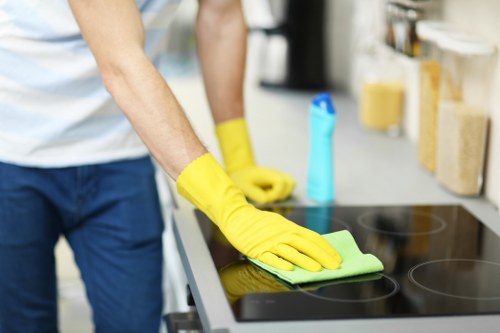 Where a product may cause irritation or other health effects, appropriate protective measures are applied. These may include gloves, eye protection, or improved ventilation. Any accidental exposure must be dealt with immediately, following the relevant first aid or emergency procedure.
Manual Handling, Hygiene, and Workplace Conduct
Carpet cleaning often involves moving equipment, shifting light furniture, or handling water containers. Manual handling tasks are kept as light as reasonably possible, and staff are encouraged to use good lifting technique, seek assistance for heavy items, and avoid awkward postures. If an item is too heavy or cumbersome, it should not be moved without support.
Personal hygiene is an important part of carpet cleaning safety. Operatives should wash hands after using chemicals, handling waste, or completing tasks in contaminated areas. Food and drink must not be consumed in areas where cleaning materials or contaminated equipment are present. Uniforms and reusable protective items should be cleaned and stored appropriately after use.
Professional conduct also supports safety. Staff must remain alert, avoid rushing, and communicate clearly with occupants or other workers. If a customer requests a change that could compromise safety, the operative should explain the issue and proceed only when the risk has been controlled.
Emergency Procedures and Reporting
In the event of an accident, incident, fire, chemical spill, or equipment failure, work must stop immediately if continued activity could increase the danger. The area should be made safe where possible, and assistance should be requested through the appropriate internal procedure. Staff must know how to raise an emergency alert and how to respond calmly.
First aid arrangements are supported by suitable provision and by training where required. Any injury, near miss, or hazardous occurrence must be reported so it can be reviewed and used to improve future practice. Recording incidents helps maintain a safer service and ensures that repeated problems are identified and addressed.
 Management reviews health and safety performance regularly to confirm that procedures remain effective. Updates may be made following incidents, new equipment, product changes, or revisions to working practices. This helps maintain a consistent standard of safety across all carpet cleaning services.
Review and Commitment
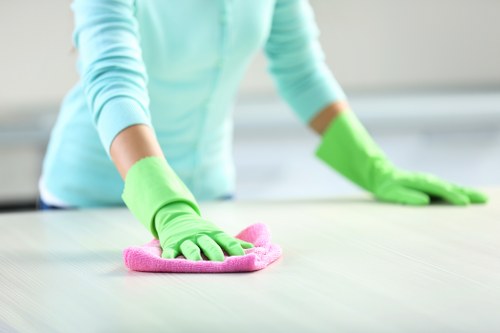 This policy reflects a commitment to safe, responsible, and high-quality carpet cleaning at all times. It is intended to support a working culture where risks are controlled, standards are respected, and everyone understands their role in preventing harm.
By following this policy, the company aims to protect health, reduce accidents, and deliver a reliable service with care and professionalism. Safety is viewed as an essential part of every task, not an optional extra, and all operatives are expected to uphold these standards on every job.
Carpetcleaning W14 remains committed to continuous improvement, ensuring that health and safety practices stay practical, effective, and suited to the demands of modern carpet care.